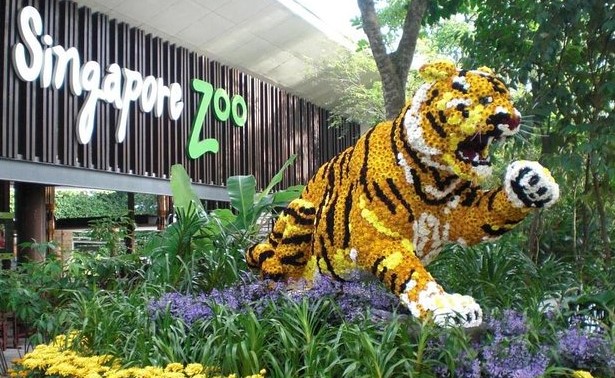
A routine task of guiding a tapir back to its enclosure turned into a serious incident for a keeper at Singapore Zoo. The keeper was bitten by the animal and had to be hospitalized for treatment.
The incident occurred on Wednesday (August 26, 2026) while the keeper was carrying out routine duties. At the time, they were guiding a tapir back to its enclosure, located in an area closed off to visitors.
According to The Straits Times (Sunday, August 30), a spokesperson for Mandai Wildlife Group said another keeper on site immediately assisted the injured colleague following the incident. The tapir was then successfully secured and returned to its enclosure shortly after.
About the Tapir Involved
The tapir involved is a 23-year-old female. The animal remains under the care of Mandai Wildlife Group.
The keeper who was injured is still receiving treatment in hospital. The Mandai Wildlife Group spokesperson said the keeper’s condition is currently improving and remains under medical supervision.
“We continue to be in touch with the employee and their family to provide support,” the spokesperson said.
A Rare Incident, Zoo Says
According to the spokesperson, incidents like this are considered rare, since tapirs are generally known to be shy animals that avoid confrontation.
“Tapirs are generally shy animals that avoid confrontation, which is why incidents like this are rare,” the spokesperson added.
The tapir involved in the incident was born under the care of Mandai Wildlife Group. Keepers have cared for her throughout her entire life, including during her pregnancy and the birth of her offspring.
“The strong bond built by our animal care team with the animals allows us to provide a high standard of care and welfare. At the same time, this incident serves as a reminder that all wildlife, even animals familiar with their keepers and generally accustomed to human presence, can behave unpredictably and potentially cause injury,” the spokesperson said.
About the Malayan Tapir
For context, the Malayan tapir is the only tapir species native to Asia. The animal is classified as endangered by the International Union for Conservation of Nature (IUCN), meaning it faces a high risk of extinction in the wild.
Mandai Wildlife Group is currently investigating the incident. Operational procedures are also being reviewed to determine whether additional measures are needed to improve safety for both animal keepers and the animals under their care.