A frightening scene unfolded during a self-drive safari in Namibia after a tourist’s car was attacked by an enraged rhino.
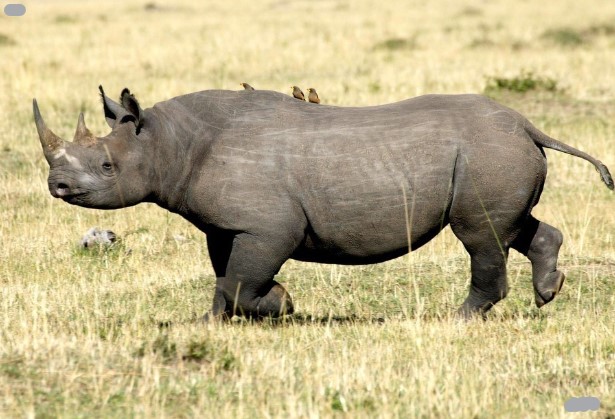
According to news.com.au, reported Saturday, September 26, 2026, a black rhino at Etosha National Park in Namibia went on a rampage, charging a tourist’s vehicle during a self-guided safari. The incident was filmed by staff from Etosha Salt Pan Adventure tour company on September 19.
The Attack Caught on Camera
The rhino repeatedly rammed the white vehicle, driving its horn into the car’s body, causing significant damage. Meanwhile, wildlife officials filming the incident from another vehicle shouted and urged the driver, in French, to get away from the area immediately.
Officials expressed frustration that the tourists inside the car remained motionless throughout the attack, rather than reacting quickly to the danger.
The Warning Signs That Went Unnoticed
The tour company stated that the rhino had actually displayed warning signs before attacking, but the passengers in the car failed to recognize them.
“Rhinos often give warning signals, especially black rhinos, but it’s important not to treat those signals as a guarantee of safety,” the company added.
The company is urging visitors to use experienced local guides and to strictly follow national park regulations.
No Injuries, But Serious Vehicle Damage
There were no reported injuries from the attack. However, the tourist’s vehicle sustained serious damage following this unexpected encounter with the rare wild animal.
A Species Worth Protecting
For travelers, it’s worth noting that the black rhino is listed as critically endangered on the IUCN Red List, and Namibia is home to one of the largest remaining populations of the species.
What This Means for Safari Travelers
If you’re planning a self-drive safari anywhere black rhinos roam, this incident is a stark reminder that even a stationary, seemingly calm rhino can turn aggressive with little warning, and that warning signs, when they do appear, deserve immediate action rather than a wait-and-see approach.
Booking with an experienced local guide who can read animal behavior in real time isn’t just a nice-to-have; as this incident shows, it can be the difference between a memorable wildlife sighting and a genuinely dangerous encounter.