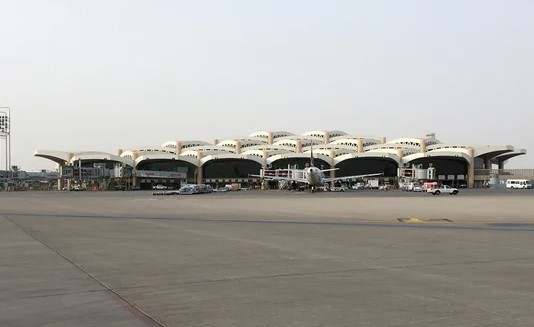
Saudi aviation authorities have extended the closure of King Khalid International Airport through October 17, and the ripple effects of this decision are being felt far beyond the Kingdom’s borders. This isn’t just a minor scheduling adjustment either, we’re talking about one of Saudi Arabia’s busiest airports, second only to Jeddah in terms of traffic volume.
Safety First, According to Officials
According to Reuters reporting on Tuesday (October 13, 2026), Saudi civil aviation authorities confirmed this suspension is specifically about ensuring safety and verifying operational readiness of airport facilities before allowing flights to resume. A notice to airmen (NOTAM) issued on Monday confirmed that King Khalid International Airport will remain closed until 21:00 GMT on October 17.
What Actually Triggered This Shutdown
The airport has been closed since a devastating attack occurred on Saturday, one that left 13 people dead and injured more than 300 others. To put the severity of this into perspective, this attack represents the deadliest incident the country has experienced in over a decade. As if that weren’t concerning enough, another attack followed on Sunday, killing one person and injuring nearly a dozen more.
The impact on air traffic has been immediately visible. Flight tracking service Flightradar24 showed on Monday (October 12, 2026) that aircraft were actively avoiding the city altogether, with jets instead crossing Saudi airspace and landing at the country’s major aviation hub in Jeddah along the western coast.
The Numbers Behind This Aviation Crisis
Aviation analytics firm Cirium reported that flight cancellations across Saudi airports have reached a staggering 46.4%. That’s nearly half of all scheduled flights affected, which gives you a sense of just how significant this disruption really is.
This chaos hasn’t stayed contained within Saudi borders either. Airlines throughout Europe and Asia have been forced to suspend their services, while the US Federal Aviation Administration (FAA) issued guidance on Sunday urging American carriers to exercise caution when flying to or over Saudi Arabia.
The European Union’s aviation agency, EASA, had already expanded its Saudi airspace warning on Friday, citing missile and drone attacks as the primary concern driving this advisory.
Why This Matters Beyond Saudi Arabia
Aviation analyst John Strickland summed up the broader implications pretty succinctly. “The impact extends well beyond Saudi Arabia to the wider region and its global connections,” he explained.
That’s really the crux of why this story matters even if you have zero plans to fly anywhere near the Middle East. Global aviation networks are deeply interconnected, and disruptions in major hub regions tend to create ripple effects that touch international travel patterns far beyond the immediate area.
OPSGROUP, an international membership based organization focused on aviation safety information and civil flight operations management, has gone as far as recommending that airlines avoid the southern flight corridor over the Middle East entirely.
Instead, they’re suggesting carriers reroute flights between Europe and Asia through Central Asia instead, a significant detour that will likely add both time and cost to affected routes.
How Major Airlines Are Responding
The list of airlines adjusting their operations because of this situation keeps growing. Lufthansa Group has canceled all flights to Riyadh through October 16, while Air France-KLM has extended its suspension of flights to and from Riyadh through the end of the month.
Etihad Airways confirmed it has canceled flights between Abu Dhabi and Riyadh, Jeddah, and Dammam due to regional disruptions, adding that all flights between Abu Dhabi and Riyadh will remain canceled through October 19.
Qatar Airways announced on Monday that it has temporarily suspended flights to and from both Riyadh and Dammam given the current situation on the ground.
Perhaps most striking is Delta Air Lines’ response. The carrier announced it’s postponing its planned Atlanta to Riyadh service, which was originally scheduled to launch on October 23, all the way until March 2027. That’s not a minor delay, that’s essentially shelving an entire new route for roughly five months, which speaks volumes about how seriously airlines are taking the current security situation.
What This Means Moving Forward
For travelers with existing plans involving Saudi Arabia, particularly Riyadh, this extended closure and the cascading airline suspensions mean significant disruption is likely to continue for at least the next several weeks, if not longer.
Given how major international carriers are responding with extended cancellation periods stretching well beyond the immediate airport closure date, it suggests the aviation industry isn’t expecting a quick return to normal operations.
This situation also highlights just how fragile global aviation networks can be when security concerns arise in strategically important regions. Saudi Arabia sits at a genuinely critical crossroads for flights connecting Europe, Asia, and various other international destinations, so disruptions here don’t just affect domestic Saudi travel, they create genuine complications for international route planning across multiple continents.
Anyone with upcoming travel plans involving Saudi airports or airlines flying through the region should stay closely tuned to official airline communications and government travel advisories, as this situation appears to be evolving rapidly with potential for further extensions or changes depending on how security conditions develop in the coming days and weeks.